It Came From Four Star: Wisconsin Death Trip (1999)
Becoming increasingly fed up with streaming and digital media in general, I purchased a membership at the city's one and only Four Star Video Co-Op. Four Star is a Madison establishment with a vast DVD/VHS collection of many things you can't find elsewhere and I will be occasionally posting about the movies there I find interesting.
The 1973 nonfiction book Wisconsin Death Trip by Michael Lesy is an odd curio of a book. A collection of macabre newspaper clippings and original photo negatives from late 19th century Wisconsin, the book documents the desperation and madness of those who lived around Black River Falls.
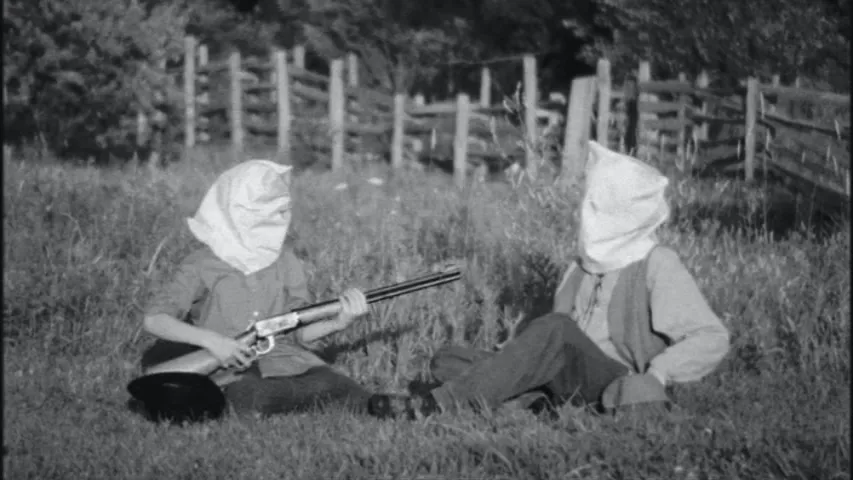
1999's Wisconsin Death Trip documentary adaptation of the book works as a compelling companion piece to the original's almost ethnographic approach. Director James Marsh depicts black and white turn of the century reenactments mixed with then contemporary color footage of Black River Falls, both contextualizing the different periods but also the original book, over 25 years old at the time of the film's release.
The completely dialogue-less black and white segments will occasionally veer into camp, but Ian Holm's narration keeps everything on track. The way these are interspersed with the historical photo negatives from the book gives it the effect of a haunted Ken Burns documentary.
The book's strength is how it relates the deprivation of the settlers to currents in American society at the time; the film is more vibes based. This works in its favor, but often comes across more like a tone poem than an actual documentary. There is a gothic sensibility mixed into the folk crime stories that is compelling and unique.
Framing each "season" of the film is footage and interviews from 90s Black River Falls, the descendants of the same settlers who, a hundred years earlier, were driven to murder, madness, and suicide. The people interviewed talk about then contemporary crimes and murders in Wisconsin, a state famous for its serial killers. Near the end of the documentary, there is footage of a local nursing home and some of the residents who live there. Realistically, these seniors are only one or two generations removed from the events portrayed in the film; the murders, the plagues, the genocides.
While the contemporary segments are light compared to the grim scenes that preceded them, there is something unsettling. The film seems to imply something lingering beneath the small town Wisconsin kitsch. Maybe the darkness that the settlers of Black River Falls brought with them is still there. After all, what's 100 years? *